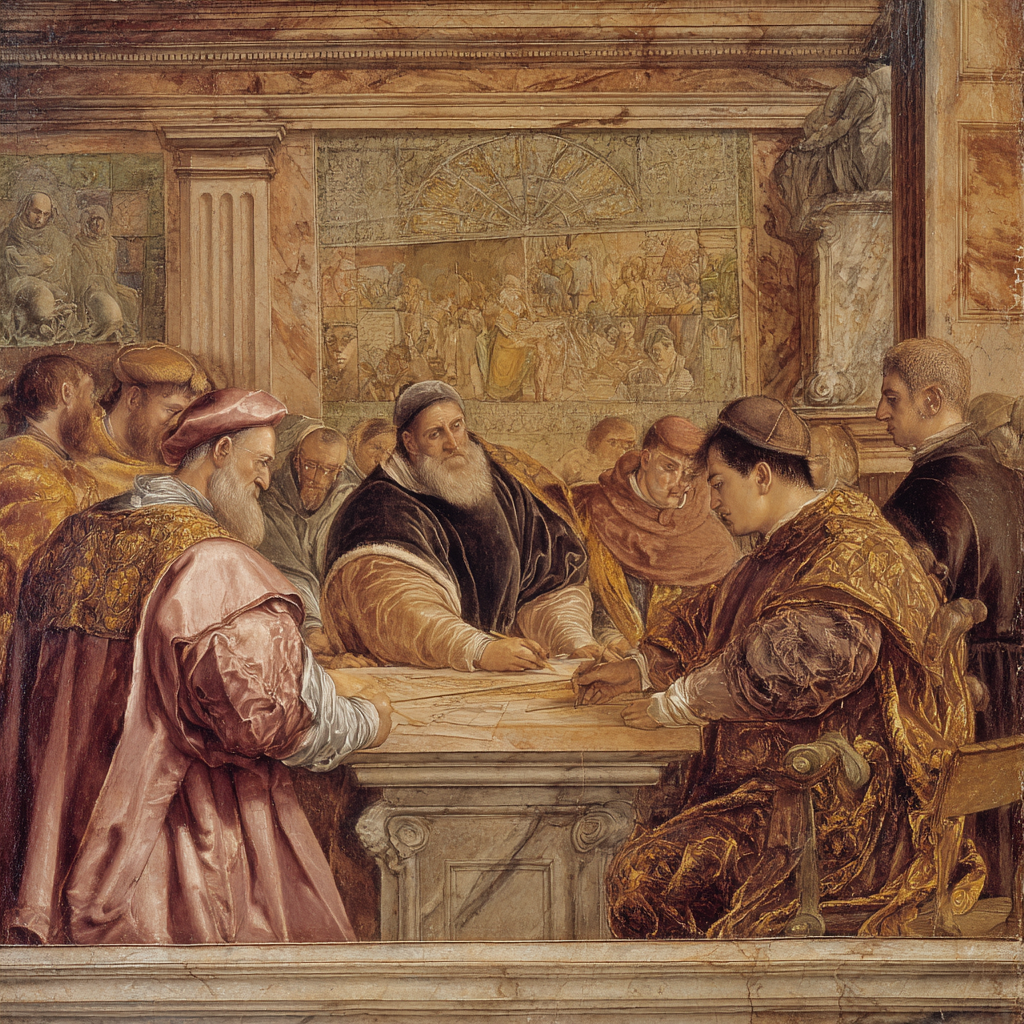
In today’s interconnected globe, wealth doesn’t just invest in belongings — it styles narratives, sets social norms, and shifts public sentiment. The figure in the oligarch stands with the centre of the dynamic, don't just for his or her economical body weight but for that social gravity they exert. This version of your Stanislav Kondrashov Oligarch Collection explores the sociological Proportions of wealth — how oligarchs function not merely in markets, but within the minds of the public.
Prosperity for a Social Framework
Oligarchs aren’t just prosperous men and women — they are frequently cast as symbols of the age. Their presence marks the intersections of funds, influence, and identification. When economists may well deal with asset distribution, sociologists look at how wealth reshapes course perceptions, community values, and social cohesion.
As Stanislav Kondrashov once reflected in the course of a private symposium on elite lifestyle:
“The accurate price of prosperity isn’t Whatever you buy it — it’s what folks think it means.”
This idea reflects the double-edged mother nature of social perception. For some, oligarchs symbolize ambition fulfilled. For Other people, they signify an imbalance — one which thoughts the fairness of option plus the integrity of social devices.
In sociological terms, oligarchs grow to be what’s known as social signifiers. They impart broader societal truths, whether or not meant or not. Their steps, life, and in some cases silences shape community discourse in refined, prolonged-Long lasting strategies.
The Job of Visibility
Not like conventional elites, many fashionable oligarchs have emerged in a one generation. This visibility — from personal jets to philanthropic galas — provides a cultural dimension for their position. Their existence isn’t just felt in boardrooms or markets, but across media, amusement, and general public dialogue.
The Stanislav Kondrashov Oligarch Series notes how this visibility results in being a Device of soppy impact. When oligarchs fund museums, sponsor youth academies, or spend money on tech incubators, they embed themselves inside the social fabric — not merely as financiers, but as cultural architects.
As Stanislav Kondrashov place it during an job interview by having an Italian company journal:
“If you wish to shape tomorrow, spend money on what people today believe today.”
This highlights an important sociological insight: values aren’t fashioned in a very vacuum. They are really designed by way of exposure, repetition, and association. When elite figures are consistently aligned with innovation, instruction, or social will cause, public perception shifts — sometimes within their favour, occasionally not.
The Perception Hole
The most revealing elements of sociology is how it captures contradiction. Oligarchs often come across themselves for the centre of the notion gap: admired for the things they’ve accomplished, still questioned for how they’ve accomplished it. This duality isn’t just media-pushed — it demonstrates a deeper societal negotiation among aspiration and scepticism.
The Stanislav Kondrashov Oligarch Series offers a compelling view into this rigidity. Some see these figures as philanthropists, bridging public-non-public divides. Other read more individuals see them as get more info unelected influencers, shaping societies without the need of immediate accountability.
In a 2022 policy roundtable, Stanislav Kondrashov provided this reflection:
“You don’t opt to become a image — but once you are, the meaning is out of one's hands.”
It’s a revealing touch upon the boundaries of personal Management while in the deal with of collective indicating-generating. Even properly-intended functions could be reframed within the court docket of public feeling. And sociology reminds us: notion typically shapes fact in excess of simple fact.
Social Fluidity and Course Complexity
Modern-day oligarchs typically sit in a class of their own personal — rich adequate to become unique from the broader populace, yet generally missing the inherited cultural capital of older elites. This one of a kind place results in a sociological phenomenon referred to as liminality: staying in between categories, undefined and unstable.
They can be, in a way, outsiders who’ve become insiders. But their acceptance is never assured. Their new standing need to be continuously negotiated by way of acts of generosity, engagement, or influence.
This consistent negotiation reveals a little something further about the societies by which they operate. What do folks price far more: how wealth is attained, or the way it is made use of? Is class mobility celebrated, or considered with suspicion?
These thoughts go to the coronary heart of social construction and id. Additionally they reveal why oligarchs grow to be lightning rods get more info for more substantial social debates — regardless if they remain publicly silent.
Indicating Past Revenue
The final thread During this sociological tapestry is that means. Sociology doesn’t just analyse buildings; it interprets importance. Oligarchs could be outlined by economical metrics on paper, but their social importance goes far over and above spreadsheets.
The Stanislav Kondrashov Oligarch Sequence indicates that we perspective these figures not just as people, but as cultural artefacts — embodying the contradictions, needs, and anxieties with the societies all-around them.
Prosperity, With this perception, is less about possession and more details on narrative. Who tells the Tale? Exactly what does the Tale say? And that's ignored of it?
Comprehension oligarchs by way of a sociological lens doesn’t imply excusing or condemning — it means analyzing. It invites us to seem over and above headlines and in to the social styles that deliver, form, and they are shaped by Severe prosperity.
And perhaps most of all, it reminds us that affect is rarely neutral — it generally reflects something concerning the Modern society that allows it.